
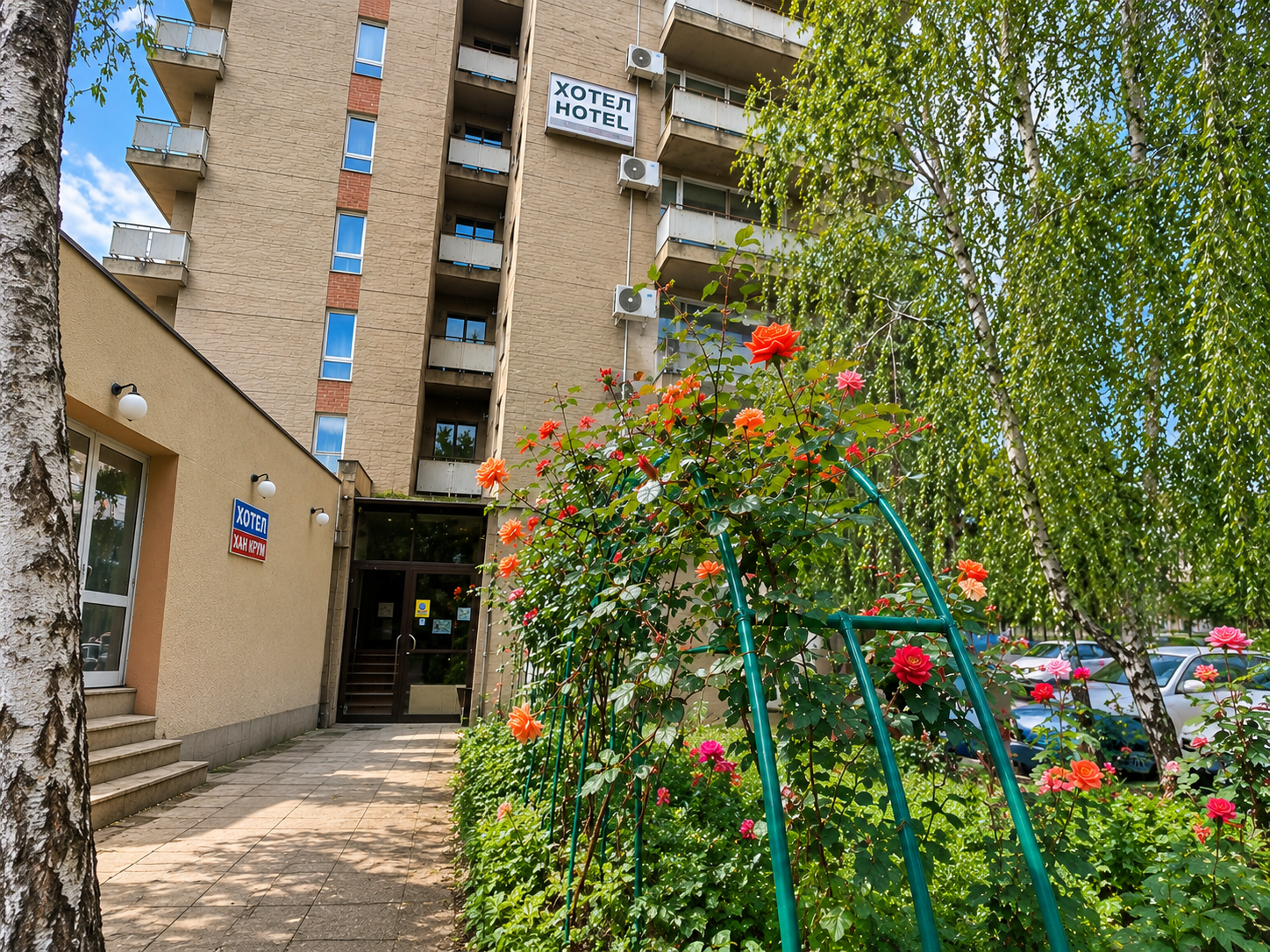

DISCOVER TARGOVISHTE

Targovishte & the Region
Geography and Strategic Location
Targovishte is located north of the Preslav Mountain. Its proximity to two of Bulgaria’s major gateways – the Black Sea city of Varna and the Danube port of Ruse – makes it a natural strategic and transport hub in Northeastern Bulgaria.
| Destination | Geographical Direction | Distance |
|---|---|---|
| Sofia | Northeast of the capital | 320 km |
| Varna | West of the Black Sea coast | 110 km |
| Ruse | South of the Danube port city | 100 km |
| Veliko Tarnovo | Northeast of the old capital | 100 km |
| Shumen | West of the regional centre | 41 km |
| Veliki Preslav | Northwest of the historic town | 25 km |
Neighbourhoods of the city: Bryag, Vabel (Geren), Varosha, Borovets, Zapad 1, Zapad 2, Zapad 3, Iztok, Kalkovo and Malcho Malchev.
The Rich Historical Heritage of the Targovishte Region
Little known, yet surprisingly rich, is the cultural and historical heritage of the region. The area has been inhabited since the deepest antiquity, with remains of settlements dating back to the Neolithic period (6000 BC). Later archaeological finds bear witness to the developed civilisations of the Thracians and Romans. By the 17th century, Targovishte – then known as Eski Dzhumaya – had already become the centre of the most famous fair in the European part of the Ottoman Empire.
Of particular interest are the Eneolithic prehistoric ritual scene discovered near the village of Ovcharovo and the Thracian gold treasure from the village of Kralevo, dating from the 3rd century BC. Visitors to the Targovishte region can explore the five-nave Byzantine basilica near the village of Draganovets and the ancient city of Misionis (Krumovo Kale). The numerous remains of fortresses in the Derventa Pass evoke the history of Medieval Bulgaria and Byzantium, while the spirit of the Bulgarian National Revival has been preserved in the old Varosha quarter.
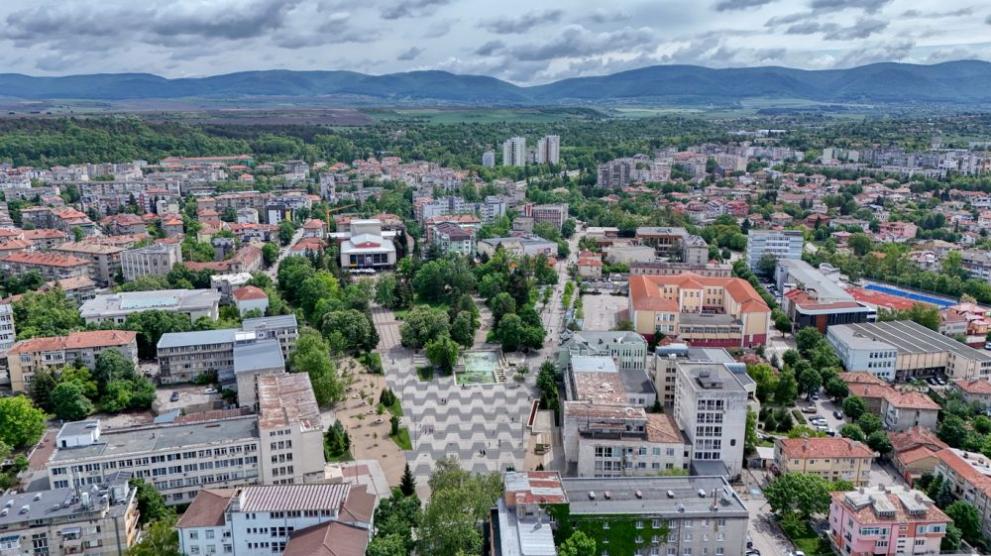
Archaeological Landmarks
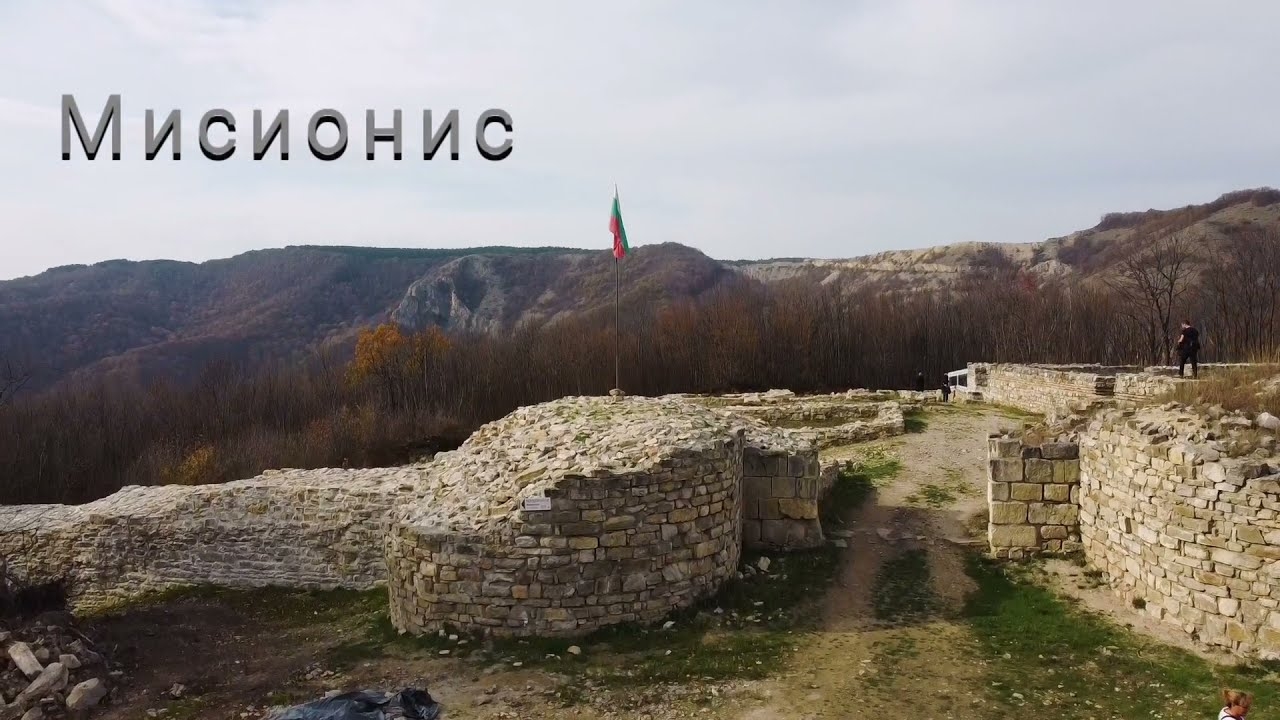
Krumovo Kale – The Ancient City of Misionis
Seven kilometres from Targovishte, along the picturesque road towards Omurtag, lies the Krumovo Kale fortress. Impressive ancient ruins extend over an area of more than 150 decares. The fortress was built during the reign of Emperor Justinian I at the end of the 5th century as a strategic part of the Byzantine defensive system designed to resist incursions by Slavs, Proto-Bulgarians and Goths. Before the establishment of the Bulgarian state, the fortress was destroyed.
At the end of the 9th century, a Bulgarian settlement with early medieval dugout dwellings emerged over the ruins. During the 12th–14th centuries, the fortress wall was reconstructed and once again became an important defensive stronghold – this time within the defence system of the capital Tarnovo, protecting the Derventa Pass. Two U-shaped towers rise on either side of the main gate. Inside were residential buildings and a classical three-nave basilica with a baptistery. The stone walls, one metre thick, have survived to a height of up to two metres. According to archaeological research, the site contains the ruins of the famous ancient city of Misionis.
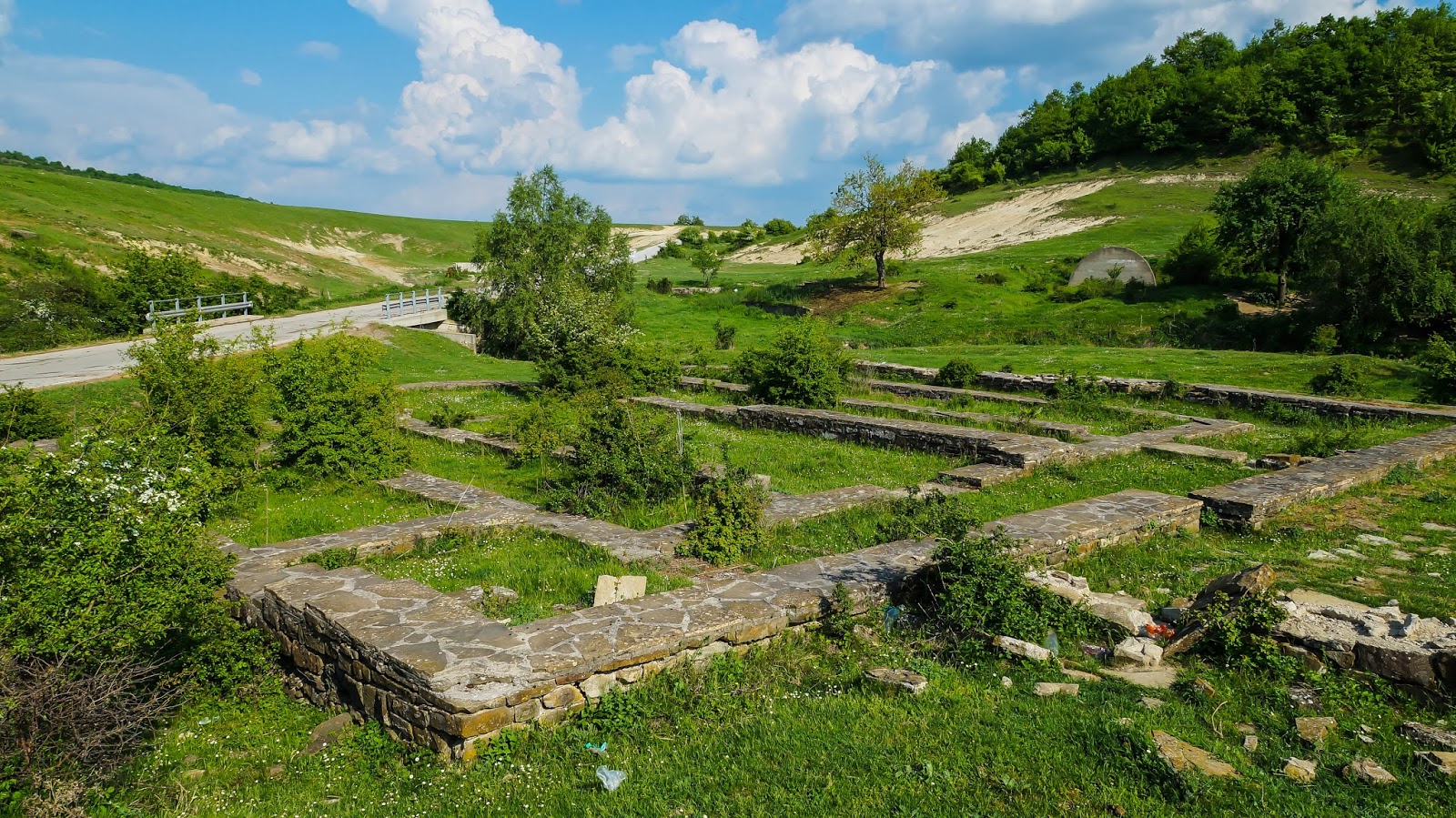
Five-Nave Basilica and Sanctuary of Apollo near Draganovets
This unique archaeological complex is designated as a cultural monument of local importance. It combines three remarkable structures:
- Thracian sanctuary (2nd–4th century): Dedicated to Heros and the god Apollo, with marble votive tablets – one bearing the unique local epithet of the deity, Aulusada – as well as tablets dedicated to Zeus and Demeter.
- Early Byzantine basilica (5th–6th century): A five-nave, three-apse building with a narthex and a subsequently added exonarthex, surrounded by a once-thriving settlement.
- A unique kiln for construction ceramics: The only preserved example of its kind in Bulgaria from this period, demonstrating the high level of craftsmanship in the region.
Kız Ana Teke – Momino Village
At the eastern edge of the village of Momino lies the historic Kız Ana Teke – a site revered by Muslims and known as a Kızılbash sacred place. It consists of a brick building, or türbe, containing the tomb of the saint.
The legend: A golden-haired girl named Zuhre (Venus), the only child in her family, once gave shelter to divine messengers. After serving them food and allowing them to wash, she did not throw away the water but drank it. The water possessed miraculous powers and made her invisible and immortal. A divine voice told her that if she preserved her virginity, she would receive the gift of helping all people in distress. As a sign of this vow, she took the name Kız Ana – Virgin Mother. Today, the site attracts many pilgrims seeking healing, health and good fortune.
Architectural Landmarks and Museums
Sts. Sedmochislenitsi School – The Slaveykov School
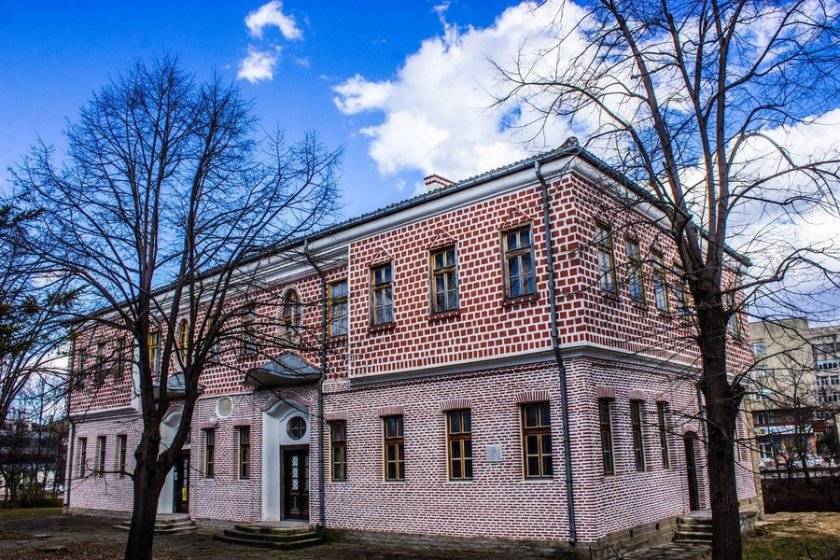
The building is a cultural monument of national importance. Built in 1863 as a secular school, it is remarkable and rare in scale for the period of the Bulgarian National Revival. The great Bulgarian educator and poet Petko R. Slaveykov taught here, and for this reason the building remains known as the “Slaveykov School”. Today it houses the historical exhibition, the collection repository of the Targovishte History Museum – containing more than 30,000 museum objects – and its research library.
National Revival Houses and Exhibitions in Varosha
The historic Varosha quarter preserves the authentic atmosphere of 19th-century Eski Dzhumaya through its beautifully restored buildings and cobbled streets:
Hadji Angelov House
Ethnographic exhibition. Built in 1863 by craftsmen from Tryavna, at 14 Rakovski Street. It is an example of a symmetrical National Revival house with fine wood-carved decoration, painted bay windows, an alafranga wall niche and a masonry stove. Its rich collection presents the traditional lifestyle, crafts and customs of the local population.
Zahariev House
Administrative centre. A cultural monument of local importance at 2 Metropolitan Andrey Boulevard. It forms part of a complex of five adapted historic buildings from the 19th and 20th centuries. Thematic talks are organised here and tourist tours of the city are coordinated from the site.
Hadji Rusi School
Archaeological exhibition. Its seven halls cover the period from the 7th millennium BC to the 14th century. Exhibits include the internationally renowned prehistoric ritual scene from Ovcharovo, the gold treasure from Kralevo and the ancient mould from Garchinovo.
Nikola Simov-Kuruto House Museum
Memorial house. The birthplace of the prominent revolutionary and standard-bearer of Hristo Botev’s detachment. The exhibition tells the story of his heroic life and of the national liberation struggles of the people of Targovishte during the Bulgarian National Revival.
Nikola Marinov House Museum
Artistic heritage. The birthplace of the renowned Bulgarian painter and watercolour artist Prof. Nikola Marinov. Located in Varosha, it is an integral part of the cultural landscape of the old quarter.
Stefan Kutsarov House Museum
Art exhibition. It presents a permanent exhibition dedicated to the life of the artist and anti-fascist Stefan Kutsarov, who died at a young age, together with an exhibition hall displaying his original works at 24 Stefan Kutsarov Street.
Other significant architectural monuments in the area include the Svetsarov House (1860), the Kasarov House – built by Hadji Mihal Hadzhirusev in the 1870s – and the House of the Union of Architects at 13 Exarch Joseph Street, connected to neighbouring National Revival properties through traditional passageways.
Landmark Public Buildings of the 20th Century
- The former Bulgarian Agricultural Bank building – opened on 19 November 1915 and distinguished by its classical architecture.
- The former Popular Bank building – opened on 1 January 1931 and today housing DSK Bank; an emblematic feature of the city centre from the period between the two World Wars.
Places of Worship – Churches and Mosques
Church of the Dormition of the Most Holy Mother of God (1851): Built by the renowned master builders Usta Dimitar Sergyuv and Gencho Novakov from Tryavna. It is a magnificent three-nave pseudo-basilica in the Old Bulgarian style, without a dome, and is regarded as one of the finest National Revival church buildings in Bulgaria. Its gallery houses a valuable exhibition of 19th-century icons, church objects and fragments of the old iconostasis.
Church of St. John of Rila (1937): Located in the heart of the city, it is one of Targovishte’s spiritual landmarks. It features a remarkable carved wooden iconostasis created by Prof. Petar Kushlev in 1961. Metropolitan Andrey of New York (1886–1972), one of Targovishte’s greatest benefactors, is buried here.
Sahat Mosque (18th century): A Muslim place of worship at 2 Veliko Tarnovo Street and a cultural monument of local importance. The interior walls of the prayer hall are skilfully decorated with Arabic calligraphic passages from the Quran and stylised floral and geometric ornaments.

Natural Landmarks and Recreation Areas
The Parka Area – Health and Recreation
Seven kilometres south of the city, at the picturesque entrance to the Targovishte Pass in the gorge of the Vrana River, lies the Parka area. Its beautiful natural surroundings, mineral spring and convenient main road attract both residents and visitors. A sanatorium and tourist complex operates here, making use of the therapeutic properties of the local mineral water.
The area is home to the Konya rock phenomenon – a distinctive bare rock formation on the almost vertical eastern slope of Lale Balkan resembling the figure of a horse – as well as the Marinata Dupka cave and the natural phenomenon known as The Waterfall, formed by an underground tributary of the river. The area is rich in wild lilacs and is also home to the ancient Krumovo Kale fortress.
Borovo Oko Lake
A favourite place for relaxation among residents and visitors is the picturesque Borovo Oko Lake. Around it are the restaurant of the same name, the Nikola Marinov Art Gallery and the Stefan Kutsarov House Museum, making the area an excellent setting for a leisurely walk combined with cultural attractions.

Protected Areas and Rock Formations
Urumovo Lale Protected Area – 12.0 ha
Located on a steep rocky slope near the village of Paydushko, this protected area preserves a natural habitat of the rare Urumov tulip in three forms – yellow, variegated and red. The species is included in Bulgaria’s Red Data Book.
Iglikina Polyana Protected Area – 8.3 ha
Located in the Kayraka area, it was declared a protected territory in order to preserve a natural habitat of the medicinal cowslip, a plant species subject to restricted use.
Petka Balkan Protected Area – 5.4 ha
Declared a protected area to preserve an old Turkey oak forest in the Babakondu locality near the village of Bratovo. The area is associated with historical events from the 16th century and today hosts traditional folk gatherings.
Derventa Cave
Situated in the Prolaz Gorge of the Preslav Mountain, the cave is notable for its rich formations of eccentric helictites and dendrites, flowstone pools with cave pearls, massive stalagmites and large bat colonies.
In addition, the Idirizova Koria Protected Area near the village of Dalgach preserves a group of 17 centuries-old Turkey oak trees with an average age of 150 years, including the famous “Four Oaks”, which are approximately 300 years old.
Tourism and Suggested Routes
Targovishte Municipality forms an important link between Bulgaria’s Black Sea tourism zone and the Veliko Tarnovo–Gabrovo tourism region. The main tourist transport corridor Sofia – Veliko Tarnovo – Varna passes through its territory.
The unique combination of natural features, favourable climate and rich cultural and historical heritage creates excellent conditions for a wide variety of tourism:
- Cultural, historical and educational tourism: Walks through the National Revival quarter of Varosha, visits to the Slaveykov School, ancient Misionis and the region’s numerous museum collections.
- Wine and culinary tourism: The region is known for its long-established winemaking traditions. Vineyards near the village of Kralevo and the winery in the village of Nadarevo provide opportunities to taste selected local wines and traditional cuisine.
- Ecological, spa and recreational tourism: The mineral waters in the Parka area, Borovo Oko Lake and the protected forest areas provide excellent conditions for relaxation and recreation.
- Hunting, fishing and rural tourism: The reservoirs, forests and picturesque villages of the municipality provide suitable conditions for these forms of tourism.
Within a radius of only 100 kilometres from Targovishte are some of Bulgaria’s most significant national landmarks, including Veliki Preslav, Pliska, the Madara Rider, Zheravna, Kotel, Elena, Sveshtari and Isperih. This makes Targovishte an excellent base for multi-day tours throughout Northeastern Bulgaria.